Garden design and build in Gipsyhill
If you are looking for garden design and build in Gipsyhill, you are probably after more than a quick tidy-up. You may want a garden that feels like a proper extension of your home, works around a busy family routine, adds usable outdoor space, and looks good all year round. That could mean a calm courtyard for a flat near the main roads, a practical family garden for a terrace, or a smarter outdoor setting for a commercial property that needs to create a better first impression.
We help local homeowners, landlords, letting agents, and businesses turn outdoor areas into spaces that are attractive, functional, and easy to live with. From the first ideas to the finished build, a well-planned garden can solve problems that many Gipsyhill properties face: limited space, awkward access, steep levels, overlooked boundaries, patchy shade, drainage concerns, and the need to balance privacy with openness.
Whether your project is a full redesign or a focused upgrade, our approach is based on practical planning, careful construction, and finishes that suit the property rather than fighting it. If you are comparing options for garden design and build in Gipsyhill, this page explains what is included, how the process works, what affects cost, and why using a local team makes a real difference.
Garden design and build for local homes and businesses

Gipsyhill has a mix of property types, and that variety is exactly why a tailored approach matters. Some gardens are compact and enclosed, some are wider but exposed, and some sit behind period homes where access is tight and every material must be carried through carefully. Others belong to commercial premises, shared buildings, or rental properties where durability and ease of maintenance are just as important as appearance.
Garden design and build is the joined-up service that takes a space from idea to completion. Instead of hiring one person for the concept and another for the build, you get a coordinated process that keeps the design realistic and the construction neat. That can save time, reduce mistakes, and make it easier to stay on budget because the design is developed with the build method in mind.
For local customers, this is especially useful when the garden needs to do several jobs at once. A single outdoor area may need to include seating, storage, planting, lighting, family-friendly surfacing, drainage, and a route from the house to the rear boundary. When a design is planned properly, all of those elements work together rather than competing for space.
Why Gipsyhill properties benefit from a tailored approach

Outdoor spaces in and around Gipsyhill can be full of character, but they can also come with practical challenges. Local homes may have narrow side access, shared entrances, rear gardens with limited sun, or hardstanding that needs reworking before planting can succeed. In a built-up area, privacy is often high on the list too, especially where neighbouring windows overlook the garden from above.
These realities matter because a good garden is not just about style. It needs to work with the property, the people using it, and the conditions on site. A design that looks great on paper may fail if the surface is too slippery in wet weather, the planting needs constant maintenance, or the layout blocks movement during family life. Our aim is to create gardens that are attractive and practical, with each feature serving a clear purpose.
That local understanding also helps with build logistics. Parking, access for materials, protection of shared paths, and keeping disruption to neighbours to a minimum all need consideration. In busy residential streets, good planning before work starts can make the whole project smoother and more efficient.
What a garden design and build service can include

Every project is different, but a full garden design and build in Gipsyhill service may include some or all of the following:
- Site visit and initial discussion about your goals, budget, and how you want to use the garden
- Measured assessment of the space, including levels, boundaries, drainage, and existing features
- Concept planning for layout, materials, planting, and practical use zones
- Hard landscaping such as patios, paths, edging, steps, walls, timber features, and raised beds
- Soft landscaping including turfing, planting schemes, soil improvement, and mulching
- Lighting layout for atmosphere, safety, and evening use
- Fencing, screening, and privacy solutions where needed
- Decking, pergolas, storage areas, and other bespoke features
- Preparation for drainage improvements or better water management
- Final finishing, clean-down, and a handover with care notes where appropriate
Some customers want a full transformation. Others only need a smarter layout and one or two key changes. A good local service should be flexible enough to handle both. The key is making sure the result feels intentional, well-built, and suitable for the property type.
For many homeowners, the biggest benefit is that the work is joined up. There is no guessing whether the planting will suit the paving, or whether the path will end up too narrow once the garden furniture is in place. Design and build together means the whole space is considered as one project.
How the process usually works
From first ideas to finished garden
Most customers want to know what actually happens once they decide to move forward. While every job is different, a sensible process generally follows clear stages. First comes the discussion about what you want to achieve: a family-friendly garden, a low-maintenance layout, better entertaining space, improved access, or a more polished look for a rental or commercial property.
After that, the garden is assessed in detail. This is the point where practical issues are checked, including slopes, drainage, sunlight, soil condition, access routes, and existing structures that may stay or be removed. A well-thought-out design then starts to take shape, balancing aesthetics with day-to-day use. If the garden is small, that may mean making each section work harder. If it is larger, it may mean creating distinct areas so the space feels organised rather than open and underused.
Once the plan is agreed, the build stage begins. This typically includes clearing, ground preparation, any structural work, surfacing, planting, and the final details that make the garden feel complete. Communication is important throughout, because customers should understand what is happening, how the sequence is progressing, and if any site issues need to be adapted on the day.
Design ideas that suit Gipsyhill homes
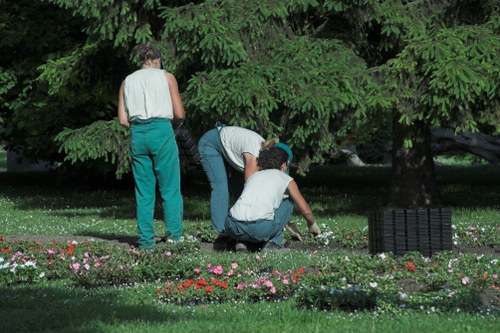
Local gardens often benefit from solutions that maximise usable space without making the area feel crowded. For example, a compact rear garden may work better with a simple, crisp layout, where circulation is clear and planting is used to soften the edges. A larger garden may benefit from separate zones for dining, relaxing, play, or growing plants, so the whole space has a sense of purpose.
Some of the most effective ideas for gardens in this part of London include:
- Raised planting beds to add structure and improve growing conditions
- Built-in seating that saves space and creates a neat finish
- Porcelain or natural stone paving for a clean, durable surface
- Low-maintenance planting schemes for busy households and rental properties
- Privacy screens and trellis to reduce overlooking
- Drainage-aware design for wetter corners or heavy clay soil conditions
- Lighting for safe movement and evening enjoyment
- Bespoke storage for tools, bins, bikes, or outdoor cushions
Good design does not mean overcomplication. In fact, some of the most successful gardens are the simplest, because they are easy to use and maintain. A tidy planting palette, durable materials, and a layout that feels balanced can do far more for a property than lots of features packed into a small area.
Commercial outdoor spaces
Garden design and build is not only for private houses. Businesses in and around Gipsyhill may need neat frontages, usable courtyard spaces, or outdoor areas that support staff, visitors, or residents. A commercial outdoor area should feel professional, tidy, and well cared for, while also being robust enough to cope with regular use.
This can apply to offices, hospitality spaces, managed buildings, healthcare settings, and landlord portfolios. The aim is often to reduce ongoing maintenance while improving the visual impression of the property. In these cases, durable planting, hardwearing paving, safe access, and simple irrigation or drainage solutions can be particularly valuable.
For commercial customers, the right design can also reduce the time spent on upkeep. That means fewer callouts, less patchy planting, and fewer issues caused by high footfall or unpredictable weather. A sensible design/build package keeps things practical from the outset.
What is included in a well-planned build

When people ask what makes a professional garden project different from a basic refresh, the answer is usually in the detail. A good build is not just about putting in new materials. It is about creating a stable foundation, ensuring clean lines, and paying attention to all the small elements that affect the final finish.
Typical build stages may include:
- Clearing old garden features, waste, and redundant materials
- Groundworks, levelling, and soil preparation
- Managing drainage, soakaway considerations, or fall directions where needed
- Installing patios, paths, retaining features, steps, and edging
- Setting out planting zones and improving beds with suitable soil and compost
- Adding turf, seed, gravel, decorative aggregates, or other finish materials
- Finishing with lighting, screens, furniture zones, and decorative details
Quality workmanship matters at every stage. A patio that is not laid correctly can move or hold water. Poorly prepared planting areas may struggle from the start. On the other hand, proper preparation gives the garden a much better chance of looking good and performing well for years.
Preparing for your project
Useful checklist before work begins
Good preparation helps keep a project efficient and avoids unnecessary delays. If you are considering garden design and build in Gipsyhill, it helps to think about how you want the space to feel and how it will be used on a daily basis. Even simple decisions, such as where bins are stored or whether you need a dining area close to the house, can shape the layout in a meaningful way.
Before work starts, it is useful to have a clear picture of the following:
- How you want to use the garden most days
- Whether you need child-friendly, pet-friendly, or low-maintenance features
- Which existing items should stay, be moved, or be removed
- Any access limitations through side passages, internal routes, or shared spaces
- Preferred style, material tone, and amount of planting
- Any ongoing drainage, shading, or privacy issues you want to solve
- Whether you want lighting, storage, or screening included in the plan
If you are unsure, that is completely normal. Many customers know what bothers them about the current garden but are not yet sure how to fix it. A strong design process helps turn those concerns into a workable plan, with practical options that suit your property and how you live.
Pricing factors and what affects the cost
People often want a clear idea of cost early on, and that is understandable. While exact pricing depends on the project, the overall cost of a garden design and build usually depends on several factors rather than one single item. The more clearly the project is defined, the easier it is to understand the likely investment.
Common pricing factors include:
- Size of the garden and total area to be designed or built
- Condition of the existing space and how much clearance is needed
- Complexity of levels, retaining work, steps, or drainage management
- Choice of materials, from paving and timber to planting and finishes
- Amount of labour needed and how easy it is to access the site
- Whether the project is a full transformation or a smaller improvement
- Additional features such as lighting, screens, built-in seating, or storage
In Gipsyhill, access can be a practical issue that affects both time and method. Narrow entrances, shared passageways, limited parking, or careful neighbour coordination can all influence the way work is carried out. A local team that understands these conditions can plan the job more efficiently and reduce avoidable disruption.
Rather than focusing only on initial numbers, it is worth thinking about long-term value. A garden that is well designed and properly built can reduce maintenance headaches, make the home more enjoyable, and create a better setting for everyday life.
Why choose a local company for garden design and build in Gipsyhill
Choosing a local team is about more than convenience. A company that regularly works in and around Gipsyhill is likely to understand the practical realities of the area: the property styles, typical access conditions, common garden sizes, and the kind of outdoor spaces local customers usually want. That knowledge helps with both design decisions and build logistics.
Local experience also means better awareness of nearby streets and surrounding areas such as West Dulwich, West Norwood, Crystal Palace, and Dulwich. Gardens in these places often share similar traits: period homes, compact rear plots, mature boundaries, and a need to make outdoor space feel private without losing light. A local team can adapt to those conditions more confidently than a one-size-fits-all approach.
There is also a practical advantage. Shorter travel times can make site visits, scheduling, and follow-up work easier to arrange. When a project requires staged delivery or careful timing, that responsiveness matters. For customers, it usually means clearer communication and a smoother overall experience.
Residential and commercial customers we help
Our garden design and build services are suitable for a wide range of customers across Gipsyhill and nearby parts of south London. The needs of each customer type may be different, but the principle is the same: create an outdoor space that works well and looks right for the property.
Residential projects
- Family gardens that need safer surfaces and more usable space
- Townhouse and terrace gardens where every metre counts
- Courtyard gardens that need style without clutter
- Front gardens that benefit from structure and kerb appeal
- Low-maintenance designs for busy homeowners
- Outdoor entertaining spaces for dining, relaxing, and hosting
Commercial projects
- Managed properties that need tidy, reliable outdoor presentation
- Business premises where outdoor space should support a professional image
- Shared gardens that need durable materials and simple upkeep
- Landlord and letting property improvements aimed at long-term practicality
In both settings, a thoughtful design can improve how the property feels and how it functions. That is why a local service is valuable: it should be able to adapt to different users, different budgets, and different site conditions without forcing a generic solution.
Materials and finishes that suit the area
The best materials are not always the most expensive ones; they are the ones that suit the site, the weather exposure, and the level of use. In Gipsyhill, many customers prefer finishes that are durable, clean-looking, and easy to maintain. That often includes paving with a consistent tone, timber or composite elements where appropriate, and planting that softens hard surfaces without becoming high maintenance.
When selecting materials, it is worth considering how they look in natural light, how they cope with rain, and how they will wear over time. Some materials feel warm and traditional, while others give a more contemporary look. Neither is automatically better. What matters is whether the final result fits the house style and the surrounding streetscape.
Texture, colour, and layout all work together. A garden with too many competing finishes can feel busy, while a well-edited material palette can create calm and visual order. That is particularly useful in smaller gardens, where the right balance can make the area appear larger and more cohesive.
Planting that looks good and makes sense
Planting is often what brings a designed garden to life, but it needs to be chosen carefully. In a local service page context, it is worth saying that the best planting scheme is not always the most elaborate. Many customers want greenery that lasts through the seasons, provides colour or structure, and does not demand constant attention.
Depending on the space, planting may be used to:
- Soften walls, fences, and hard edges
- Create privacy from neighbouring windows or shared boundaries
- Add seasonal interest through flowers, foliage, and structure
- Support pollinators and improve biodiversity where suitable
- Break up large paved areas so the garden feels balanced
In a smaller garden, carefully placed plants can make a big difference without taking over the space. In a larger garden, layered planting can create depth and help define separate zones. Either way, good planting is chosen with the site in mind: light levels, soil, watering needs, and maintenance expectations all matter.
If you prefer a lower-maintenance finish, that can still include attractive planting. It simply means selecting varieties and arrangements that suit your lifestyle and the conditions on site.
Frequently asked questions
Do I need a full redesign, or can I improve part of the garden?
You do not always need a complete overhaul. Many customers choose targeted improvements such as a new patio, better planting, improved drainage, or a new layout for a problem area. If the rest of the garden is still working well, a partial redesign can be a sensible option.
How long does a project take?
Timescales depend on the size of the garden, the complexity of the work, material availability, and site access. A small project may be completed relatively quickly, while a larger transformation naturally takes longer. The most reliable way to plan is to discuss the scope early and allow time for proper preparation.
Can you work on small gardens and courtyards?
Yes. Small spaces often benefit the most from good design because every decision counts. Compact gardens can be transformed with smarter layout, better materials, and planting that creates depth without clutter.
What if my garden has poor drainage?
Drainage is a common issue and should be addressed as part of the design rather than left to chance. Depending on the site, the solution may involve better ground preparation, altered levels, permeable materials, or other practical measures to help water move away properly.
Can the design suit a rental or commercial property?
Absolutely. Rental and commercial spaces often need a balance of durability, simplicity, and visual appeal. The best solution is usually one that is easy to maintain while still creating a strong impression.
Do I need permission for my project?
Some garden improvements can be carried out without formal permission, but it depends on the details of the work and the property type. If the project includes walls, structures, drainage considerations, or work near boundaries, it is sensible to check the situation before starting. A local team can help you think through the practical side of this.
What makes a garden feel finished
A garden often looks good before it feels complete. The finishing stage is where the space begins to work as a whole. Clean edges, well-placed lighting, tidy transitions between materials, and planting that suits the overall design all contribute to that sense of completion.
This is why garden design and build in Gipsyhill should never be treated as just a construction job. It is a process of shaping a usable, balanced outdoor environment. When the project is done well, the garden feels easier to use, easier to maintain, and more enjoyable in everyday life. It can also support the character of the home rather than distracting from it.
For many local customers, the real value lies in the day-to-day difference: stepping outside into a space that is calm, organised, and ready to use. That is what a thoughtful design and build service should deliver.
Areas covered around Gipsyhill
We work with customers in Gipsyhill and the surrounding neighbourhoods, including nearby parts of south London where similar garden challenges are common. If your property is in or around the area, a local team can usually provide a practical response that fits the setting and the type of garden you have.
- Gipsyhill
- West Dulwich
- West Norwood
- Dulwich
- Crystal Palace
- Nearby residential and mixed-use streets across the local area
If you are unsure whether your property is covered, it is usually worth making an enquiry and sharing a few details about the space. Local projects often benefit from close-by support, especially when access or staging needs extra care.
Contact us today to discuss your ideas, request a free quote, or book your service now if you are ready to move forward.
Ready to improve your outdoor space?
If you are planning a new garden, upgrading an old one, or rethinking a space that no longer suits your needs, professional help can make the process much easier. A well-designed and properly built garden can improve how your property feels, how you use it, and how much maintenance it needs over time.
For homeowners, landlords, and businesses looking for garden design and build in Gipsyhill, the next step is simple: share your aims, talk through the site, and explore what can realistically be achieved. Whether you want a smart contemporary finish, a greener planting-led space, or a durable layout built for everyday use, a local service can help shape the right result.
Request a free quote or contact us today to start planning a garden that suits your property, your lifestyle, and your location.