Soft landscaping in Gipsyhill
If you are looking for soft landscaping in Gipsyhill, you may already know how much a well-planned garden or outdoor space can change the way a property feels. In a place like Gipsyhill, where homes, shared gardens, managed grounds, and commercial outdoor areas all have their own character, the right planting and garden finishes can make a big difference. Soft landscaping is about shaping outdoor spaces with living, natural and adaptable elements such as turf, plants, shrubs, hedging, soil preparation, mulching, and decorative borders. It brings structure, colour, privacy, and year-round use to spaces that may otherwise feel bare or difficult to maintain.
For local homeowners, landlords, property managers, and business owners, soft landscaping is often the final stage that makes a garden feel complete. Whether you are refreshing a tired front garden, improving a rear patio edge, creating a welcoming entrance, or restoring a communal space, a local team can help design and carry out the work with the realities of Gipsyhill in mind. That means understanding access issues, parking limitations, narrow side paths, shared boundaries, and the practical needs of properties near nearby areas such as West Norwood, Crystal Palace, West Dulwich, and Dulwich. It also means choosing planting and finishes that suit local light levels, soil conditions, and everyday use.
Soft landscaping in Gipsyhill is not just about making things look attractive on day one. It is about creating a space that works over time, with the right plants in the right places and a practical layout that matches how you live or operate your property. A good soft landscaping plan can improve privacy, support drainage, soften hard surfaces, and make a garden easier to enjoy and maintain. For many customers, it is the easiest way to add comfort and value to a home or business without needing a full structural rebuild.
What soft landscaping includes for local properties

Soft landscaping covers the living and natural parts of an outdoor space. It sits alongside hard landscaping such as paving, walls, fencing, and decking, and it is often what makes those features feel finished. In Gipsyhill, many gardens are a mix of compact front spaces, long narrow rear gardens, shared access areas, and courtyards, so the right combination of planting and ground preparation matters. A local soft landscaping service can be tailored to the size, style, and use of the property rather than forcing a one-size-fits-all approach.
Typical soft landscaping work may include turfing, seeding, plant installation, shrub beds, hedge planting, border shaping, soil improvement, bark or mulch application, seasonal planting, and general garden rejuvenation. Some projects also involve the careful reworking of tired beds, replacing poor soil, improving drainage in planting areas, or creating a low-maintenance layout for busy households and commercial clients. The aim is to create a balanced outdoor environment that looks good and functions well.
Common soft landscaping elements
- Turf and lawn installation for fresh, usable green space
- Planting schemes with shrubs, perennials, and seasonal colour
- Hedge planting and shaping for privacy and structure
- Garden borders that frame patios, paths, and boundary lines
- Soil preparation and levelling to support healthy growth
- Mulching and bark dressing to retain moisture and reduce weeds
- Low-maintenance planting for busy homes and managed sites
Each of these elements can be used on its own or combined as part of a wider garden refresh. For example, a front garden in Gipsyhill might benefit from a neat planting bed and evergreen structure, while a rear garden could need turf, privacy planting, and improved borders around an existing patio. The best results usually come from choosing plants and finishes that suit the space rather than simply filling it with as much as possible.
Why local soft landscaping matters in Gipsyhill

There is real value in using a local team that understands the character of Gipsyhill. Properties here can vary significantly, from period houses and terraces to flats with shared outdoor areas and modern residential developments. These different property types often come with different needs. A front garden may need to look neat from the pavement, a private rear garden may need more privacy and softer planting, and a communal space may need robust, tidy, and easy-to-manage planting that stays presentable through the seasons.
Local knowledge also helps with practical site challenges. Parking can be limited, access routes may be tight, and materials often need to be carried carefully through narrow side passages or shared entrances. A local soft landscaping company can plan the work with these details in mind, helping to reduce disruption for neighbours and making the project smoother from start to finish. For commercial customers, such as offices, guest properties, schools, clinics, or hospitality venues, that practical planning is especially useful because access and timing often need to be carefully managed.
Benefits of choosing a nearby service
- More suitable plant choices for local conditions
- Better understanding of access and parking limitations
- More efficient site visits and project planning
- Local awareness of property layouts and garden styles
- Practical support for residential and commercial spaces
Soft landscaping in Gipsyhill is most effective when it is designed around the way real local properties are used. A garden should not just look attractive in photographs; it should also be manageable, safe, and comfortable to use. That might mean choosing plants that can handle shade from neighbouring buildings, selecting evergreen structure for year-round appeal, or making sure borders are positioned so they do not block pathways or create maintenance headaches.
Services for homes, landlords, and businesses
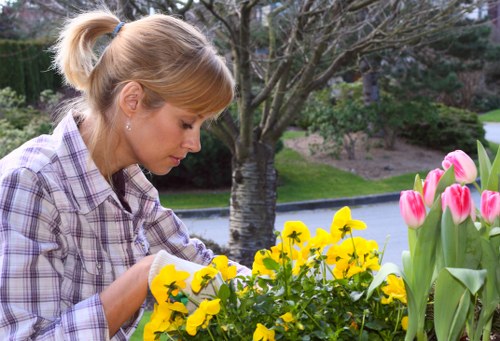
Soft landscaping is useful for a wide range of customers in and around Gipsyhill. Homeowners often want to improve the look and usability of a private garden, while landlords may need tidy, durable planting that presents well and stays manageable between tenancies. Businesses may want to create a welcoming entrance, improve the appearance of a customer-facing exterior, or maintain a professional look throughout the year. In each case, the approach should reflect the site, the budget, and the long-term maintenance expectations.
For residential customers, soft landscaping can transform an outdoor space from something underused into an area that feels inviting and practical. A family garden might need a lawn for play, hardy planting for structure, and a border layout that reduces bare soil. A smaller patio garden might need vertical greenery, compact shrubs, and container planting to add life without taking up valuable room. In shared residential settings, the focus is often on creating an orderly, calm, and easy-care result that suits multiple users.
Types of customers we work with
- Homeowners updating front or rear gardens
- Landlords and letting agents improving presentation between tenancies
- Property managers looking after shared or communal outdoor areas
- Businesses wanting a better entrance or outdoor setting
- Developers and renovation projects needing planting and lawn completion
Commercial soft landscaping often needs a little more planning. Public-facing spaces need to remain tidy, accessible, and reliable even when heavily used. Plants should be chosen for resilience as well as appearance, while borders and lawn areas should be easy to maintain. For some sites, the priority is a clean, simple, and professional finish; for others, the goal is to create a more welcoming and relaxed setting with greenery that softens hard architecture. Either way, a tailored approach makes the result more effective.
What is included in a soft landscaping project?
Every project is different, but a well-planned soft landscaping service usually begins with an assessment of the site and the client’s priorities. This helps identify what needs to change, what can be retained, and which materials or planting styles will work best. In Gipsyhill, that might mean assessing sun and shade, reviewing drainage issues, checking access points, or understanding how the garden is used day to day. The project is then shaped around those findings rather than using a generic layout.
Depending on the size and nature of the work, the service may include soil improvement, weed removal, removal of old planting, ground levelling, turf laying, tree and shrub planting, bed creation, edge definition, and mulching. Some jobs also include advising on aftercare, so customers know how to water, feed, and manage their new planting in the first few weeks and months. That early care is often what makes the difference between planting that merely survives and planting that establishes well.
Typical stages of the work
- Initial site review and discussion of the intended use
- Preparation of the ground and removal of unsuitable material
- Improvement of soil, drainage, and levels where needed
- Installation of turf, plants, shrubs, or hedging
- Finishing touches such as mulch, edging, and tidying
- Aftercare advice to support healthy establishment
It is also common for soft landscaping to be combined with existing hard features. A paved area may need planting to soften the edges, or a fence line may benefit from climbers or hedge planting to increase privacy. Even a small change, such as adding carefully chosen planting around an entrance, can make a big difference to how the whole property feels. This is especially important for homes in built-up parts of Gipsyhill where outdoor space may be limited and every section needs to work hard.
How the process usually works

People often want to know what happens once they decide to move ahead. A good local soft landscaping service should make the process straightforward and clear. The first step is usually a conversation about what you want to achieve. That could be as simple as replacing tired lawn, or as involved as redesigning the planting layout of an entire garden. The more detail you can give about how you use the space, the better the plan can be tailored to you.
After the initial discussion, the site is reviewed so that practical points can be considered. These may include access for tools and materials, ground condition, existing plants worth keeping, drainage patterns, and any nearby features that need protecting. Once the work plan is agreed, the ground is prepared and the chosen soft landscaping elements are installed. For some customers, the work is completed in a single visit; for larger or more detailed projects, it may be carried out in stages to ensure the best result.
What customers can usually expect
- A clear discussion of the desired look and function
- Site-specific planning rather than a generic layout
- Careful preparation before planting or turfing begins
- Respect for nearby homes, entrances, and shared spaces
- A tidy handover and practical aftercare advice
Contact us today if you are ready to improve a garden, frontage, or communal space in Gipsyhill. Whether you are planning a modest refresh or a full planting makeover, it helps to speak to a local team that understands how to get the most from the space you have.
Soft landscaping ideas that work well in Gipsyhill
Not every garden needs a complete redesign. Sometimes the right soft landscaping updates are smaller, more focused changes that make the biggest impact. In Gipsyhill, where many properties are close to neighbours and outdoor space can be compact or partially shaded, smart choices are often more effective than trying to fit in too much. Plants that suit the local setting and layout can create privacy, interest, and a better sense of order without overwhelming the space.
A common request is for evergreen structure. This gives the garden shape through the colder months and helps maintain a neat appearance even when flowers are not in bloom. Another popular approach is to combine easy-care shrubs with seasonal planting, so the garden always has something changing throughout the year. For families, low-maintenance lawns and durable borders can be a useful balance. For more decorative gardens, layered planting with different heights and textures can bring depth and colour.
Some practical ideas that suit many local properties include:
- Compact planting beds for smaller front gardens
- Evergreen hedging for screening and privacy
- Pollinator-friendly planting for colour and biodiversity
- Shade-tolerant plants for enclosed or north-facing spaces
- Raised or edged borders to define planting areas cleanly
- Low-maintenance combinations for busy households
Choosing plants that suit the site
Plant choice should always reflect the realities of the space. A sunny rear garden may support a different mix from a shaded courtyard. A narrow frontage may need tidy, upright planting rather than wide-spreading shrubs. If a garden is exposed to wind or overlooked by taller buildings, the planting scheme should be chosen accordingly. This is where local experience really helps, because the right combination of plants can mean less stress, less failure, and a far better finish overall.
Preparation checklist before the work begins
Good preparation helps the project run smoothly and can make the final result better. If you are arranging soft landscaping in Gipsyhill, there are a few simple things to consider before the work starts. These steps can help avoid delays, reduce disruption, and make sure the team can get on with the job efficiently. They are especially useful in streets where parking is limited or access has to be shared with neighbours.
Before the start date, it is helpful to think about what you want to keep, what should be removed, and how the space is currently used. If there are pots, furniture, children’s toys, washing lines, or stored items in the work area, moving them in advance can save time. It is also useful to check whether any shared access arrangements need to be respected and whether neighbours should be informed if materials or equipment may briefly pass through communal areas.
Simple preparation checklist
- Clear the work area of loose items and furniture
- Decide which plants, shrubs, or features should be kept
- Make sure gates and side access routes can be opened easily
- Consider parking space for any required vehicle access
- Check whether the garden needs watering before or after the work
- Let neighbours know if shared access might be affected
Not every project needs heavy preparation from the customer, but small steps can make the whole process easier. If a site has difficult access, heavy clay soil, an uneven lawn, or overgrown beds, mentioning this early allows the work to be planned properly. This is especially useful for older properties where the layout may not be straightforward. A professional approach starts with understanding the practicalities, then shaping the planting and ground work to suit them.
Pricing factors and what affects the quote
Customers often want to know what influences the cost of a soft landscaping project, and that is a sensible question. The answer depends on several site-specific factors rather than a single fixed figure. The size of the area, the type of planting, the condition of the ground, the amount of preparation needed, and the level of access all play a part. A small courtyard refresh may be very different from a larger garden restoration or a commercial frontage update.
In Gipsyhill, access can make a significant difference to the work involved. If materials must be carried through narrow paths or upstairs communal access points, the logistics may be more time-consuming than a driveway-based site. Existing ground condition also matters. A space with poor soil, weeds, compacted ground, or uneven levels may need extra preparation before planting or turfing can begin. These practical factors are important because they affect both the time required and the materials that will produce the best outcome.
Common factors that affect pricing
- Size and layout of the area
- Type and quantity of planting or turf required
- Ground preparation and removal of old material
- Accessibility and parking conditions
- Need for soil improvement or drainage adjustments
- Whether the work is residential, communal, or commercial
If you are planning a project, the best next step is to request a quote based on your actual space and goals. That allows the scope to be assessed properly and ensures the recommendation matches the conditions on site. A thoughtful quote should reflect the real needs of the project rather than assuming every garden is the same.
Why soft landscaping is worth investing in
Soft landscaping does more than improve appearance. It can help a property feel more welcoming, more private, and more useful. In residential settings, that might mean creating a garden where children can play, adults can relax, or neighbours are less directly overlooked. In commercial settings, it may be about improving first impressions and creating a more pleasant setting for staff, clients, or visitors. In both cases, the right planting and ground treatment can completely change how the space is experienced.
A well-designed outdoor area can also be easier to maintain than one that has been left to develop without a plan. Strategic planting can reduce bare patches, limit weed growth, and make borders easier to manage. A good lawn installation can provide a cleaner, more consistent surface. Mulching and planting density can also help keep the space looking neat between seasons. When the work is planned carefully, the long-term benefits can be just as important as the initial visual improvement.
Useful long-term benefits include:
- Better kerb appeal and a tidier overall finish
- Improved privacy and screening where needed
- More usable garden space for family life or customer use
- Clearer structure around paths, patios, and entrances
- More manageable maintenance over time
For customers in Gipsyhill, it is often the combination of appearance and practicality that matters most. A space should look considered, but it should also make sense for the way the property is lived in. That is why soft landscaping needs to be approached with care, local understanding, and realistic planning.
Areas covered around Gipsyhill
A local soft landscaping service in Gipsyhill is often used by customers in the surrounding neighbourhoods as well. Many projects are carried out for homes and businesses close to West Norwood, West Dulwich, Crystal Palace, Dulwich, Streatham Hill, and other nearby parts of South London. This wider local coverage matters because many gardens and outdoor spaces in these areas share similar challenges, such as space constraints, older boundary layouts, and the need for planting that works in a built-up environment.
Covering nearby areas also means the service can be adapted to different types of property. A suburban family garden may need a different approach from a flat courtyard, and a commercial frontage will usually need a more durable and presentable finish. By working locally, the team is better placed to understand those differences and plan around them. That helps keep the project efficient and the result aligned with the property’s real needs.
Typical nearby property types
- Terraced houses with narrow rear gardens
- Period homes with established but tired planting
- Flats with shared or private courtyard spaces
- Managed residential developments
- Small business premises and customer entrances
If you are not sure whether your area is covered, or whether your space is suitable for soft landscaping work, the easiest approach is to ask for an assessment. Every site is different, and a local team can quickly identify what is possible and what will give the best result.
Frequently asked questions
Below are some common questions people ask when considering soft landscaping in Gipsyhill. These are based on the kind of practical concerns local customers often have before booking work or requesting a quote.
How is soft landscaping different from hard landscaping?
Soft landscaping focuses on living and natural elements such as turf, plants, shrubs, hedging, soil, and mulch. Hard landscaping covers structural features such as paving, walls, fencing, and patios. Many projects use both, but soft landscaping is the part that adds greenery, softness, and seasonal change.
Can soft landscaping help with a small garden?
Yes. In smaller gardens, thoughtful planting can make a huge difference. The key is to use the space efficiently, avoid overcrowding, and choose plants that suit the conditions. Compact borders, vertical planting, and evergreen structure are often useful in tighter spaces.
Will the work suit a shaded or awkward garden?
It usually can, provided the planting is selected for the actual conditions on site. Shaded gardens, enclosed courtyards, and areas with uneven access can still be transformed with the right planning and preparation. Local experience is very helpful here.
Do I need to prepare the garden before the team arrives?
Basic preparation such as moving furniture, clearing loose items, and ensuring access is open is usually helpful. If the site has specific challenges, these can be discussed in advance so the work can be planned properly.
Can the service work for commercial properties?
Yes. Many commercial customers need tidy, practical planting around entrances, courtyards, and shared outdoor spaces. The work can be tailored to suit appearance, access, maintenance, and durability requirements.
How do I get started?
The best first step is to request a free quote or make an enquiry with a local team. Share a few details about your space, what you want to improve, and how the area is used. That helps the service be planned around your needs from the start.
Book your service now if you are ready to improve your outdoor space in Gipsyhill. Whether you need a simple planting refresh or a more complete garden transformation, a well-planned soft landscaping project can make the space more attractive, usable, and enjoyable for years to come.