Porcelain paving in Gipsyhill: a smart, low-maintenance choice for local homes and businesses
If you are looking at porcelain paving in Gipsyhill, you are probably after something that looks sharp, stays cleaner for longer, and suits the kind of outdoor space you actually use every day. That might be a compact front garden, a neat rear patio, a shared courtyard, or a practical commercial entrance that needs to cope with heavy foot traffic. Porcelain has become a popular choice across Gipsy Hill and the surrounding parts of South London because it combines a refined finish with everyday durability.
Local property owners often want paving that feels modern without being high-maintenance. Porcelain tiles can deliver exactly that. They work well with terraced houses, maisonettes, garden flats, and more contemporary extensions, while also fitting naturally into front and rear landscaping schemes. If your outdoor area is uneven, weathered, or simply ready for an upgrade, porcelain paving can transform how the space looks and functions.
At a practical level, a well-installed porcelain patio or paved terrace needs more than just attractive slabs. It needs the right groundwork, drainage, careful cutting, and an understanding of how local access, side passages, and awkward garden layouts can affect the job. That is why customers in Gipsyhill often prefer a local team that understands the area and the everyday challenges involved.
Why porcelain paving works so well in Gipsyhill
Porcelain paving has become a favourite for homeowners and commercial customers who want a clean, modern look with minimal fuss. In a place like Gipsyhill, where many properties have compact gardens, shared access routes, or sloped and irregular outdoor areas, the practical benefits are just as important as appearance. Porcelain paving in Gipsyhill is a strong match for spaces that need to feel brighter, more usable, and easier to maintain through the year.
One of the biggest reasons people choose porcelain is its low porosity. That means it absorbs far less water than many natural stones and is much less likely to stain from leaves, mud, food spillages, or everyday use. For family gardens, outdoor dining areas, and business fronts where presentation matters, that can make a real difference.
It also offers a wide choice of styles. Some homeowners want a soft stone-effect finish that suits period homes. Others prefer a sleek, contemporary look that complements aluminium doors, crisp landscaping, and garden lighting. Either way, porcelain tiles can be selected to match the character of your property rather than overpower it.
What porcelain paving can do for your outdoor space
When planned properly, porcelain paving can do far more than replace an old patio. It can reshape how the whole outdoor space works. A tired, patchy, or cracked surface can make a garden feel smaller and less inviting. A carefully designed porcelain installation can improve flow, create usable zones, and make an area much easier to keep tidy.
Common uses include rear patios for dining and relaxing, paths leading from gates or side returns, front-of-house paving for a smarter entrance, and raised terrace areas that need a neat finish. In commercial settings, porcelain is often chosen for customer-facing outdoor areas where a clean, professional appearance matters day after day.
For many local customers, the appeal is simple: porcelain paving looks elegant, performs reliably, and does not demand constant upkeep. That combination makes it ideal for busy households, landlords, property managers, and business owners who want a surface that works hard without becoming a chore.
Suitable property types in and around Gipsyhill
Porcelain paving suits a wide range of local property types, including:
- Victorian and Edwardian terraces
- Purpose-built flats with shared or private external areas
- Ground-floor garden flats
- Semi-detached homes with rear gardens
- Newer extensions and remodelled outdoor spaces
- Shops, offices, cafés, and small hospitality premises
How a porcelain paving installation is carried out
A good finish starts well before the first tile is laid. The most important part of any patio or paved area is the base beneath it. If the groundwork is rushed, the surface can become uneven, move over time, or fail to drain properly. That is why a professional porcelain paving service usually begins with an assessment of the site, including levels, access, and the intended use of the area.
Once the layout has been agreed, the area is prepared carefully. Existing materials may need to be removed, the ground dug out to the correct depth, and a suitable sub-base installed. From there, the paving layers are built up in a way that supports the final surface and helps it last. On porcelain, precision matters because the tiles are typically cut and laid with tighter lines than many other materials.
Drainage is also a key consideration. In Gipsyhill, where many gardens and side returns sit close to neighbouring buildings or boundary walls, runoff needs to be planned properly. That can mean setting accurate falls, using appropriate drainage solutions, and making sure the finished surface handles rainfall without pooling or directing water where it should not go.
Typical stages of the work
- Initial site assessment and discussion of layout
- Removal of existing paving or soft landscaping where needed
- Excavation and preparation of the sub-base
- Setting levels, borders, and drainage falls
- Installing the porcelain tiles with suitable fixing methods
- Cutting edges neatly around walls, drains, and features
- Jointing, finishing, and final site tidy-up
Design options that suit local homes and businesses
Not every porcelain paving project should look the same. One of the strengths of this material is the flexibility it gives you when planning the shape and finish of the space. A modern patio in Gipsyhill might use large-format tiles in a light grey or sandstone-style tone to make a small garden feel more open. Another property might need a darker, more textured surface that works better with the home’s exterior colours and surrounding planting.
Border details, pattern direction, and the way the tiles are cut can all influence the final result. For example, long rectangular tiles can make a narrow courtyard feel longer, while a simple grid layout can create a calm, balanced look. Matching steps, edging, and wall caps can also bring the design together.
For commercial customers, the emphasis may be on clean lines, slip-resistant finishes, and a layout that allows people to move safely and naturally across the space. A small forecourt, outdoor seating area, or customer entrance can benefit from porcelain paving that stays smart even with regular use.
Popular porcelain paving styles
- Stone-effect porcelain for a natural look
- Concrete-effect finishes for a contemporary feel
- Light-coloured slabs to brighten shaded gardens
- Textured surfaces for added grip and character
- Large-format tiles for a spacious, modern appearance
Tip: If your property gets limited sunlight, lighter tiles can help reflect more light and make the outdoor area feel more welcoming.
Why local knowledge matters for porcelain paving in Gipsyhill
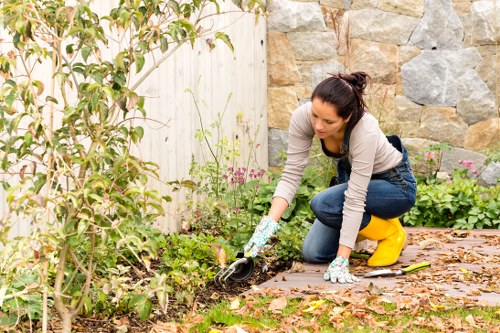
Choosing a local contractor for porcelain paving in Gipsyhill can save time, reduce stress, and improve the final result. Local experience matters because many homes in the area have specific access issues, tighter front spaces, side returns, or shared entry routes that need careful planning. A team that already works in and around Gipsy Hill is more likely to understand how to manage deliveries, materials, and site setup efficiently.
Parking and access can be a real issue on residential streets, especially when materials, cutting equipment, and waste removal are involved. A local crew is often better placed to plan around these constraints and keep disruption to a sensible level. That can be particularly helpful if you live in a flat, have limited driveway access, or need the work carried out with consideration for neighbours and passing pedestrians.
Local expertise also helps when matching the paving to the property type. A Victorian terrace may need a different approach from a new-build garden or a commercial frontage near busy routes. The aim is not simply to lay tiles, but to create a surface that works with the property, the surroundings, and the way you use the space.
What is usually included in the service
When customers enquire about porcelain paving in Gipsyhill, they often want to know what the work actually covers. While every project is different, a full paving service commonly includes a mix of design support, preparation, installation, and finishing. Understanding what is included helps you compare options and make a more informed choice.
Depending on the size and condition of the area, a typical service may cover:
- Site visit and discussion of your aims
- Advice on tile type, layout, and finish
- Ground preparation and excavation
- Installation of a suitable sub-base
- Setting levels for proper drainage
- Precision laying and cutting of tiles
- Edging, pointing, and final finishing
- Removal of waste and site clean-up
Some projects may also include steps, raised edges, integrated path sections, or transitions between porcelain paving and turf, gravel, or existing hard landscaping. It is always worth discussing the whole space rather than only the main patio area, because small details can make a big difference to how finished and practical the result feels.
Preparation checklist before your paving work starts
A little preparation can help the job run more smoothly and reduce delays. If you are planning a new patio, path, or paved seating area, it helps to think through how the space will be used and what may need moving before the installation begins. In tight urban gardens, every bit of access and storage space matters.
Here is a simple checklist many customers find useful:
- Decide how you want to use the space: dining, relaxing, planting, access, or all of these.
- Measure the area roughly and note any doors, drains, steps, or obstacles.
- Think about whether you want borders, lighting, steps, or different zones.
- Clear away furniture, pots, and movable items where possible.
- Consider nearby access for materials and waste removal.
- Talk through any concerns about pets, neighbours, or shared pathways.
Useful note: If your garden has narrow side access, steep steps, or limited storage, mention this early so the work can be planned properly from the start.
Pricing factors for porcelain paving projects
People often want a clear idea of cost before moving ahead, and that is completely understandable. Exact pricing depends on the specifics of the project, because no two gardens or forecourts are quite the same. Rather than focusing on fixed numbers, it is more helpful to understand the factors that affect the overall quote.
The main pricing factors usually include the size of the area, the condition of the existing ground, the type of porcelain tiles chosen, the complexity of the layout, and whether extra features such as steps or borders are required. Access also has an influence. If materials need to be carried through a narrow passage or up several steps, the time and labour involved may be greater than on a straightforward site.
Other considerations can include drainage requirements, waste removal, and whether the project involves removing old concrete, slabs, or turf before the new installation can begin. If you are comparing options, it is sensible to ask for a written breakdown of what is being included so you can see exactly what you are paying for.
Factors that commonly affect the quote
- Total paving area
- Ground condition and excavation depth
- Tile choice and finish
- Complexity of cutting and layout
- Drainage and level changes
- Steps, edging, or retaining details
- Access for tools, materials, and removal of waste
Residential and commercial porcelain paving in Gipsyhill
Porcelain paving is not just for private back gardens. It is also a practical choice for a range of commercial and shared-use spaces. Residential customers may want a smart patio, a low-maintenance courtyard, or a fresh front entrance that improves kerb appeal. Commercial clients, meanwhile, often need a surface that can handle repeated footfall while still looking presentable.
For residential properties, porcelain is especially appealing where owners want to reduce ongoing maintenance. Unlike some natural surfaces that can require more frequent cleaning and sealing, porcelain is easy to live with and can keep a crisp appearance with sensible care. That makes it a strong option for households with children, pets, or busy routines.
For commercial sites, the priorities can be different. Safety, durability, and appearance all matter. A well-installed porcelain surface can support a professional image while offering a practical, hardwearing finish. Whether it is a small shopfront, office entrance, or hospitality setting, the right paving can help the outdoor space feel more inviting and better organised.
Examples of spaces that benefit from porcelain paving
- Front paths and entrance areas
- Rear patios for entertaining
- Courtyards and side returns
- Terraced seating areas
- Shared access spaces for flats
- Customer-facing commercial forecourts
How to choose the right finish for your property
The right porcelain finish depends on more than taste alone. You will also want to think about how the area is used, whether it gets shade, how much cleaning you want to do, and whether the paving needs to blend with existing brickwork, render, fencing, or planting. In Gipsyhill, where properties can vary from classic period homes to more updated interiors and extensions, there is often room for a very tailored look.
If you want a calm and understated finish, soft stone tones and subtle textures can work well. If your goal is a sharper, more architectural style, larger tiles in grey, charcoal, or pale concrete-effect finishes may suit the space better. The trick is to choose a finish that supports the wider design rather than competing with it.
It is also worth considering the movement of light across the garden or frontage. A bright, open space may suit a deeper tone, while a shaded or enclosed area may benefit from a lighter tile to prevent the space feeling heavy. For customers unsure where to start, viewing samples and discussing the overall look with a local installer is usually the best way forward.
Ask yourself these questions
- Do I want a warm, natural look or a clean contemporary style?
- Will the area be used for dining, walking, or display?
- How much cleaning and upkeep am I comfortable with?
- Should the paving blend in or stand out as a feature?
Maintenance and long-term care
One of the biggest reasons customers choose porcelain paving is that it stays looking good with relatively little effort. That does not mean it never needs attention, but it is generally much easier to maintain than many people expect. For busy local households, that can be a major benefit.
Routine care usually involves sweeping away debris, rinsing off dirt, and cleaning with appropriate products when needed. Because porcelain is less porous than many alternatives, spills and staining are often easier to manage if dealt with reasonably quickly. Moss and algae can still appear in damp or shaded spots, but regular attention helps prevent build-up.
A properly installed surface also helps maintenance by reducing issues caused by movement, poor drainage, or uneven joints. That is another reason the quality of the groundwork matters so much. If the base and levels are done correctly, the finished paving should remain practical and attractive for years to come.
Important: Always use cleaning methods suitable for porcelain. Harsh abrasives or unsuitable chemicals can damage the surface or affect the joints.
Why choose a local company for porcelain paving in Gipsyhill
There are plenty of reasons local customers prefer to work with a nearby team rather than a distant contractor. A local company can respond more easily, plan site visits more conveniently, and bring experience of the area’s property styles and access issues. That local understanding can make the whole process smoother from the first enquiry to the final tidy-up.
It also helps when a project needs a practical, hands-on approach. In Gipsyhill and the surrounding neighbourhoods such as West Dulwich, West Norwood, Crystal Palace, and Streatham, outdoor spaces can vary a great deal. Some are compact and tucked behind the property, others are open and sloping, and some have shared boundaries or limited entry routes. A local team is more likely to be used to working around those realities.
Just as importantly, local customers usually want straightforward communication. They want to know what is involved, how the job will be handled, and what the realistic timeframe looks like. A good local service focuses on clear planning, practical advice, and a finish that suits the property rather than a one-size-fits-all approach.
Frequently asked questions
Is porcelain paving suitable for small gardens?
Yes. Porcelain is often an excellent choice for smaller gardens because lighter colours, larger tiles, and clean lines can make the area feel more open and organised. It works especially well where space needs to feel tidy and usable rather than cluttered.
Does porcelain paving become slippery?
Like any paving material, the level of grip depends on the finish chosen and how the surface is maintained. If slip resistance is important, ask for a suitable outdoor-grade finish and discuss how the area will be used, especially if it is likely to get wet or shaded.
Can porcelain be used for both patios and paths?
Yes. It is a versatile material that can be used for patios, walkways, front paths, courtyards, and many other hard landscaping features. The important thing is that the installation method is appropriate for the specific area and its expected use.
Will porcelain paving suit an older property?
Absolutely. Although it is often associated with contemporary landscaping, porcelain can look very elegant with period homes too. The key is choosing a finish and layout that complements the style of the property and surrounding materials.
How long does the work take?
Timeframes vary depending on the size of the job, the ground conditions, and the complexity of the design. A straightforward patio may take less time than a project involving major excavation, steps, or difficult access. It is best to discuss the scope of work before planning around it.
Can you help with drainage and uneven ground?
Yes, proper drainage and level correction are often part of the job. If your garden slopes, holds water, or has old paving that has moved, it is important to address those issues during the installation rather than simply laying new tiles over the top.
Ready to improve your outdoor space?
If you are planning porcelain paving in Gipsyhill, now is a good time to think about what you want the space to do for you every day. Maybe you need a tidy patio for family meals, a smarter entrance, or a low-maintenance surface that will stand up to regular use without demanding too much attention. Porcelain can be a strong answer when you want a polished finish and practical performance in equal measure.
From the first layout discussion through to the final paving details, a local service can help you make confident decisions about style, function, and preparation. Whether you are improving a private garden or updating a commercial frontage, the right installation can add comfort, usability, and lasting appeal to the property.
Contact us today to discuss your project, request a free quote, or book your porcelain paving service now. If you are ready to start planning, a local team can help you choose the right finish and create a paved area that suits your home, your business, and the way you live.