Recycling and Sustainability for Landscaping Gipsyhill
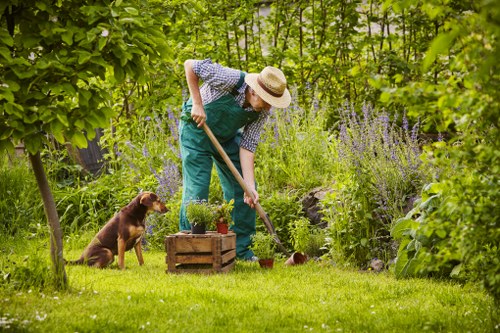 At Landscaping Gipsyhill, sustainability is built into every stage of outdoor work, from the first site clearance to the final tidy-up. Our landscaping Gipsyhill approach focuses on reducing waste, choosing reusable materials where possible, and sending the right items to the right recycling stream. We aim to achieve a minimum recycling rate of 85% across suitable green waste, inert spoil, metal offcuts, wood, cardboard, and clean packaging materials generated during projects.
In practice, that means treating a landscaping job as a resource-management exercise as much as a design or construction task. Soil is assessed for reuse, planting waste is separated from general debris, and materials are sorted so that as little as possible ends up in landfill. For Gipsyhill landscaping recycling, this also includes carefully handling hard landscaping waste such as broken paving, kerbs, and concrete, which can often be crushed and repurposed through approved facilities.
We work with a careful sorting system that reflects the way local boroughs encourage waste separation at source. Mixed waste is avoided wherever possible, because cleaner streams are easier to recycle and more likely to be accepted by processing facilities. This is especially important in dense urban areas where local recycling rules can differ by material type, and where separating green waste, inert rubble, and general refuse helps support borough-wide waste reduction goals.
 A key part of our sustainability model is using local transfer stations that can consolidate and direct materials to appropriate facilities efficiently. By choosing nearby transfer stations, we reduce transport distance, cut fuel use, and improve the likelihood that recyclable loads remain uncontaminated. This approach supports eco-friendly landscaping in Gipsyhill while keeping movement of waste streamlined and traceable.
Many landscaping materials can take very different routes once they leave site. Green waste may be directed to composting or biomass processing, while soil and aggregates can be screened, cleaned, and reused in future groundworks. Timber, metal, and cardboard may be baled or separated for specialist recycling. When handled correctly, even bulky materials from a garden transformation can be part of a circular process rather than a disposable one.
Our crews also follow borough-led principles that favour the separation of recyclables before they are collected, rather than relying on downstream sorting alone. This is reflected in the way we bag, stack, and label materials on site. For recycling-focused landscaping Gipsyhill projects, the result is a cleaner, safer working area and a much higher chance that valuable materials are recovered instead of wasted.
 Partnerships with local charities are another important part of our sustainability plan. Where items are still in good condition, such as planters, hand tools, garden furniture, decorative pots, edging materials, or usable timber, we aim to divert them from disposal and offer them to charitable groups, reuse hubs, or community projects. This supports people and places beyond the job itself, giving surplus materials a second life.
These partnerships are particularly useful when landscaping work involves clearing a property, refreshing communal grounds, or replacing outdoor features. Instead of automatically disposing of everything, we review what can be repurposed. In some cases, salvaged materials help local groups with planting schemes, allotments, and small-scale improvements. For sustainable landscaping Gipsyhill, reuse is not a side note; it is a practical part of our operating method.
We also encourage the reuse of suitable organic material on site wherever appropriate. Pruned branches may be chipped for mulch, leaves may be collected for composting, and clean topsoil may be retained for regrading and planting beds. This keeps transport low and maintains the natural value of materials that would otherwise be treated as waste.
 Transport is another area where environmental performance matters. Our low-carbon vans are selected to reduce emissions and improve fuel efficiency, helping us lower the footprint of each landscaping visit. These vans are especially useful in areas with frequent stop-start driving, where cleaner vehicles can make a meaningful difference over time. For Landscaping Gipsyhill, this means moving crews and materials more responsibly while supporting cleaner air objectives.
Low-carbon vehicles are paired with efficient route planning so journeys are shorter and fewer repeat trips are needed. Loads are organised to maximise space, which reduces the number of vehicle movements required for each job. This is particularly valuable in borough environments where road access, parking, and congestion can all affect emissions. A better logistics plan can be just as important as the recycling destination itself.
We also monitor the types of waste produced by different landscaping activities so improvements can be made over time. For example, planting jobs tend to generate more biodegradable material, while paving or fence replacement can create more inert waste and packaging. By studying these patterns, we can refine sorting methods, choose more recyclable products, and continue to raise the recycling rate across Gipsyhill landscaping services.
 Another focus is responsible purchasing. Where possible, we prefer materials with recycled content, minimal packaging, and strong durability so they last longer in outdoor conditions. This helps reduce replacement frequency and the waste associated with short-lived products. In a borough setting where households and businesses are increasingly aware of reuse and waste reduction, this approach aligns with the wider move toward smarter material choices.
Landscaping Gipsyhill also supports careful separation of specialist waste streams, including soil, stones, timber, plastics, and metals, so each can be handled appropriately. This is important because contamination can prevent recycling and can lead to unnecessary disposal costs. By keeping different materials apart from the outset, we make the recycling process easier for transfer stations and processing partners downstream.
Our sustainability commitment is straightforward: reduce, reuse, recycle. By combining a high recycling target, local transfer stations, charitable reuse partnerships, and low-carbon vans, we aim to make every project cleaner and more efficient. For clients seeking recycling-conscious landscaping in Gipsyhill, this means outdoor improvements that look good, perform well, and respect the environment at the same time.